Leadership Demands Measured Optimism

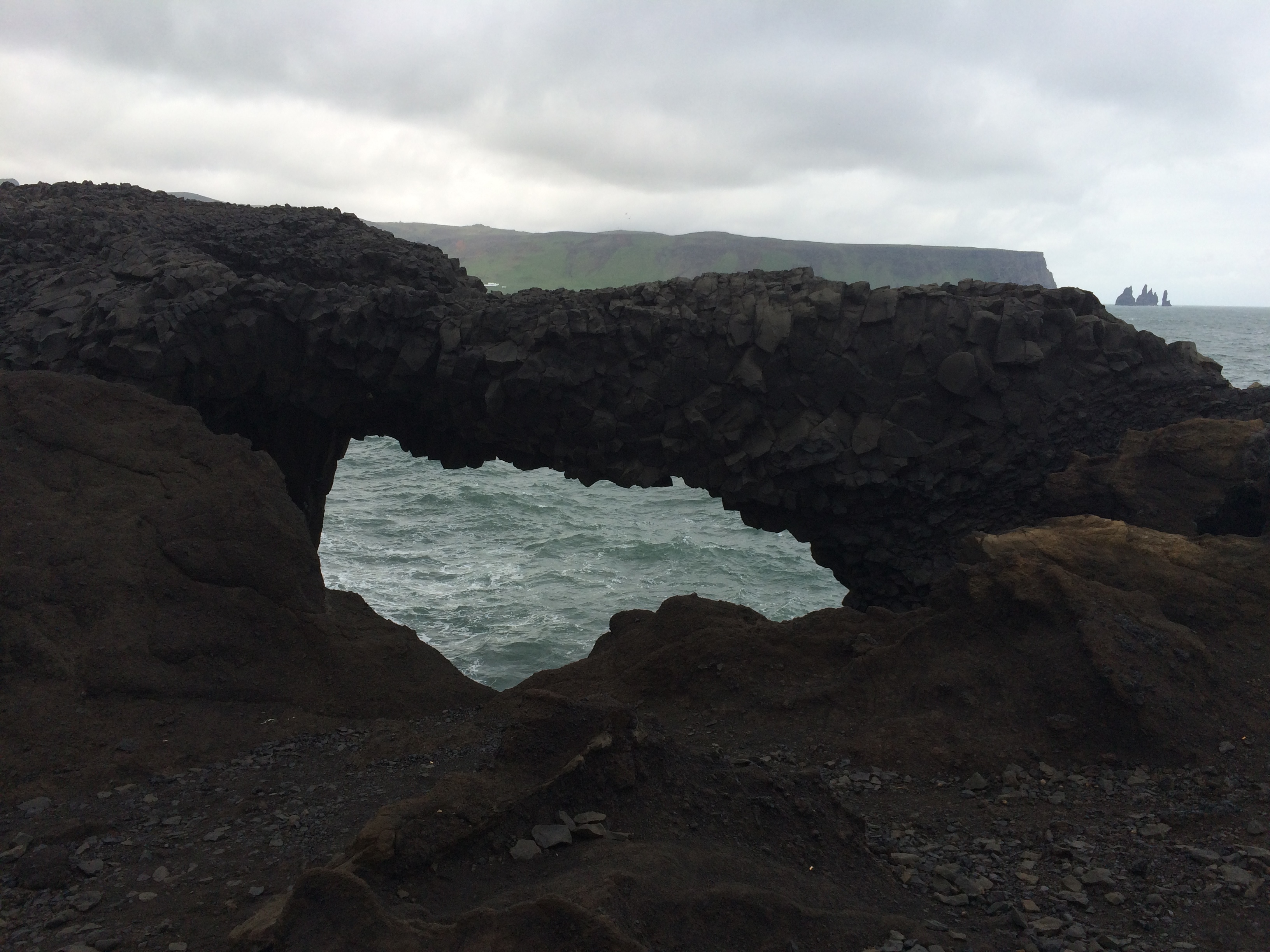
IMG_2854Reynisdrangar, near Vík í Mýrdal, Southern Iceland

Lastly, there is a rugged optimism that’s intrinsic to life on the island.  For half of the year, Iceland is enveloped by almost complete darkness, followed by months on end of near complete daylight.  Winter is, apparently, brutal but comes with the certainty that a very pleasant summer will come to follow.  This extreme seasonal variation prompts a mindset that, as one of our guides said, “there’s always a tomorrow, even if today is not so good.”  Moreover, having the foreknowledge that dark days may be ahead makes making good use of the present an even more important priority.

But it’s more than just the seasonal variation.  The history of Iceland isa dramatic, and often tragic one.  At times, the entire island lost half of its populace.  And yet, most who survived chose to stay.  They decided to be tough and to make the most of their lot.  That shows in their work ethic and in their prosperity.

Of course, the above are generalizations, more or less.  And yes, Iceland has had catastrophic failures in leadership, particularly in the financial world in recent yeras.  But the lessons remain true nevertheless.  Iceland can teach us profound lessons about leadership that we can take from a windswept North Atlantic isle all the way to our homes in middle America and beyond.
Leadership is Informed by Culture

IMG_2542

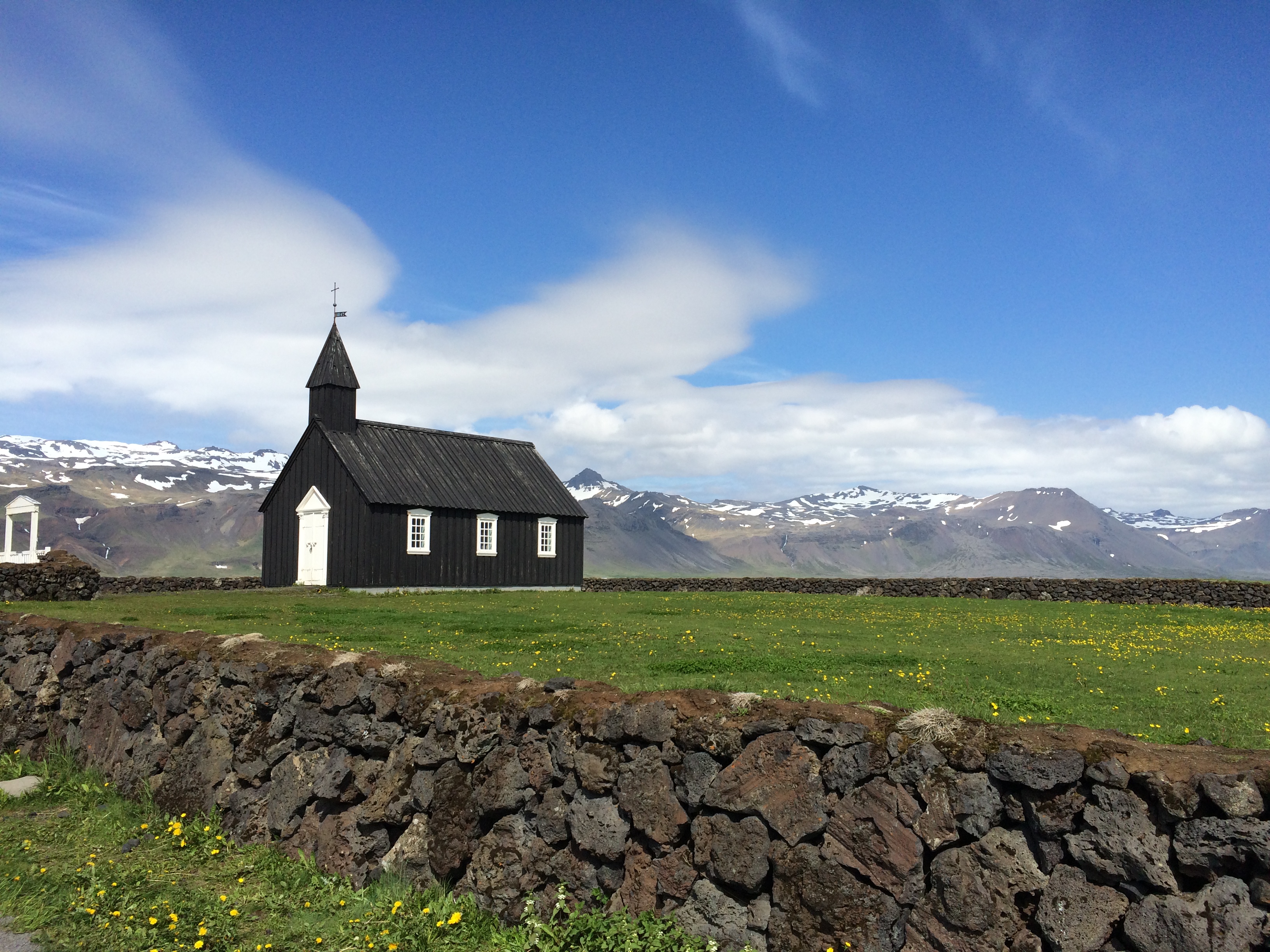
Buðir black church, Snaefellsnes peninsula, Western tip of Iceland

Fourth, culture and tradition should inform leadership.  Wherever we went, we were surprised by the influential strength of local culture, and how effortlessly it blends into modern life.  Elves, trolls, and fairies, which seem fanciful to us outsiders, are an ingrained aspect of local folklore and belief in their presence continues.

Additionally, despite being over a millennium old, the Icelandic sagas still hold sway and continue to be considered one of the pillars of Icelandic culture.  It surprised me to learn that the Icelandic language has not changed much over 1000 years (apart from in vocabulary), attesting to how much stock the people place into their culture.

Similarly, unlike in other Scandinavian countries, despite their advanced levels of socioeconomic development, there is a deference to the religious traditions of the past.  In every small fishing town that we encountered, we found a small Spartan church with bells ringing at every hour.  Whether these are attended is another matter altogether.

Regardless, the more that I think about it, leaders don’t develop in isolation.  Rather, they are the product of culture, and tradition.  They often have a role in undermining or reforming these, but nevertheless are products thereof.  If we aspire to leadership, we should critically look at our culture and determine how we fit, and how we do not fit, into its bounds.

Health Maintenance is Intrinsic to Leadership

IMG_2818

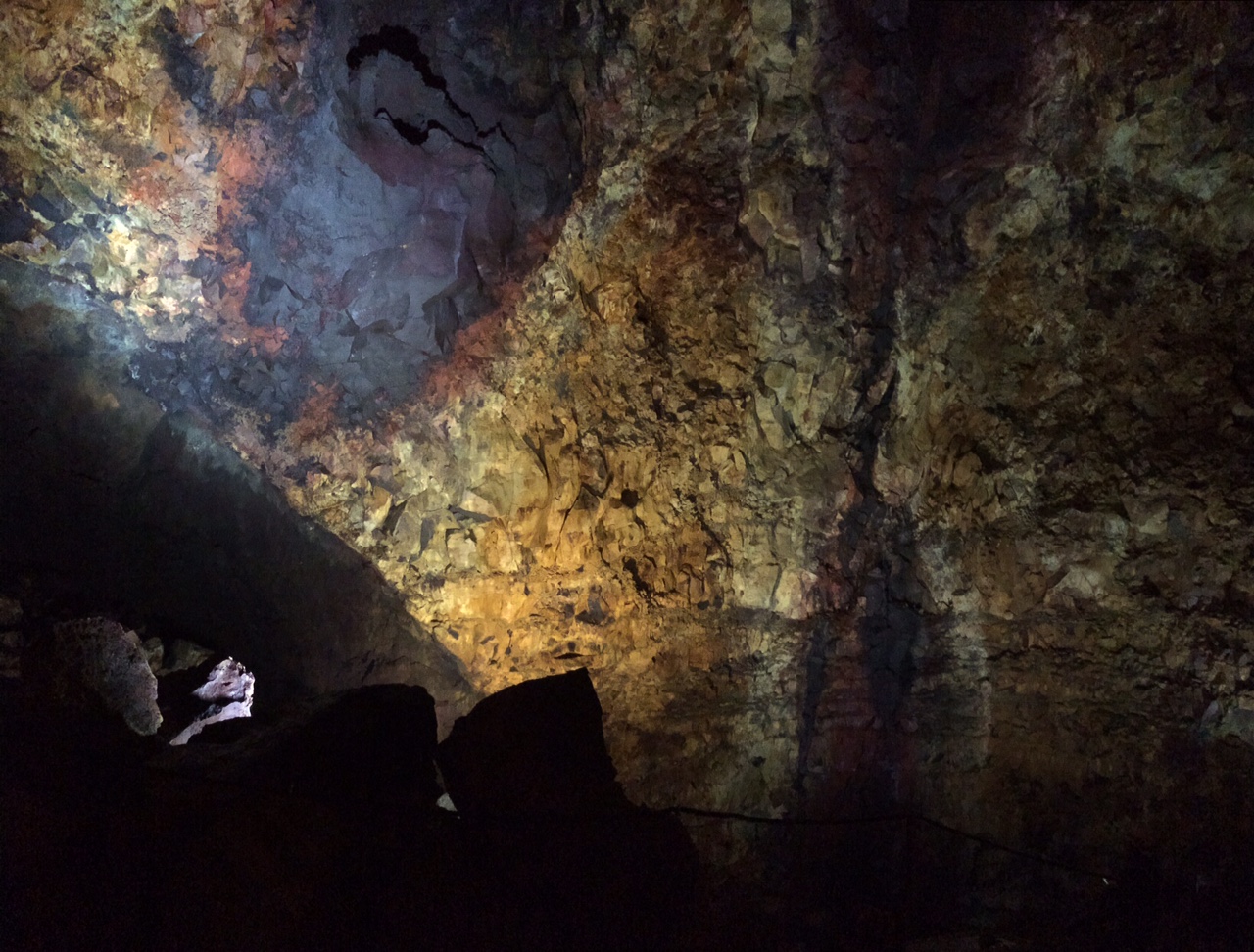
Inside the Thrihnukagigur Volcano

Thirdly, physical health cannot be overlooked.  One of the curious traditions that we witnessed was weightlifting of stones.  There is great pride (among men. perhaps women) to pick up and carry the largest stones, which are designated as “quarter strength,” “half-strength,” “full-strength,” etc.  Arguably, the ability to pick up the heavier stones imbues a sort leadership in and of itself (kind of like the sword in the stone).

Additionally, swimming, football (soccer), and handball are extraordinarily popular.  In every town, there appears to be a gym where people, young and old alike, can exercise themselves and keep fit.  This extends to the mental sphere, where it is ingrained that healthy minds need healthy bodies.

On a personal level, it is exceptionally important to lead oneself before leading others, and that’s where maintaining physical and mental health is so essential.  Moreover, there really isn’t a point of trying to make a difference in the world while you slowly kill yourself in the process and can’t enjoy the fruits of those labors.

A Key to Leadership is the Leverage of One’s Strengths

IMG_3100

Secondly, leverage of one’s strengths is key to leadership.  Iceland doesn’t have many resources, and through the majority of its existence since the late 9th century, has been hobbled by events completely outside of its control, most notably volcanic activity.  Throughout the 15th and 16th century, regular volcanic activity decimated agricultural output and led to mass fluorosis, in turn killing up to 50% of the population.

But nowadays, that liability is recognized to be its greatest strength.  Geothermal activity permits Iceland to have bountiful output of electricity (in addition to hydroelectric dams).  It also is the source of so much of its tourism revenue.  But this change didn’t occur overnight: intense research has been performed in order to develop the technologies necessary to harness geothermal energy, and efforts continue to this very day.

On a personal level, their experiences teach us that strengths and weaknesses are largely what we make of them, and that even though we have limited initial control over these, our understanding and mastery of these strengths/weaknesses and leveraging these in the right way can propel us forward to be leaders.

Leadership Means Being At Our Personal Best

IMG_2384

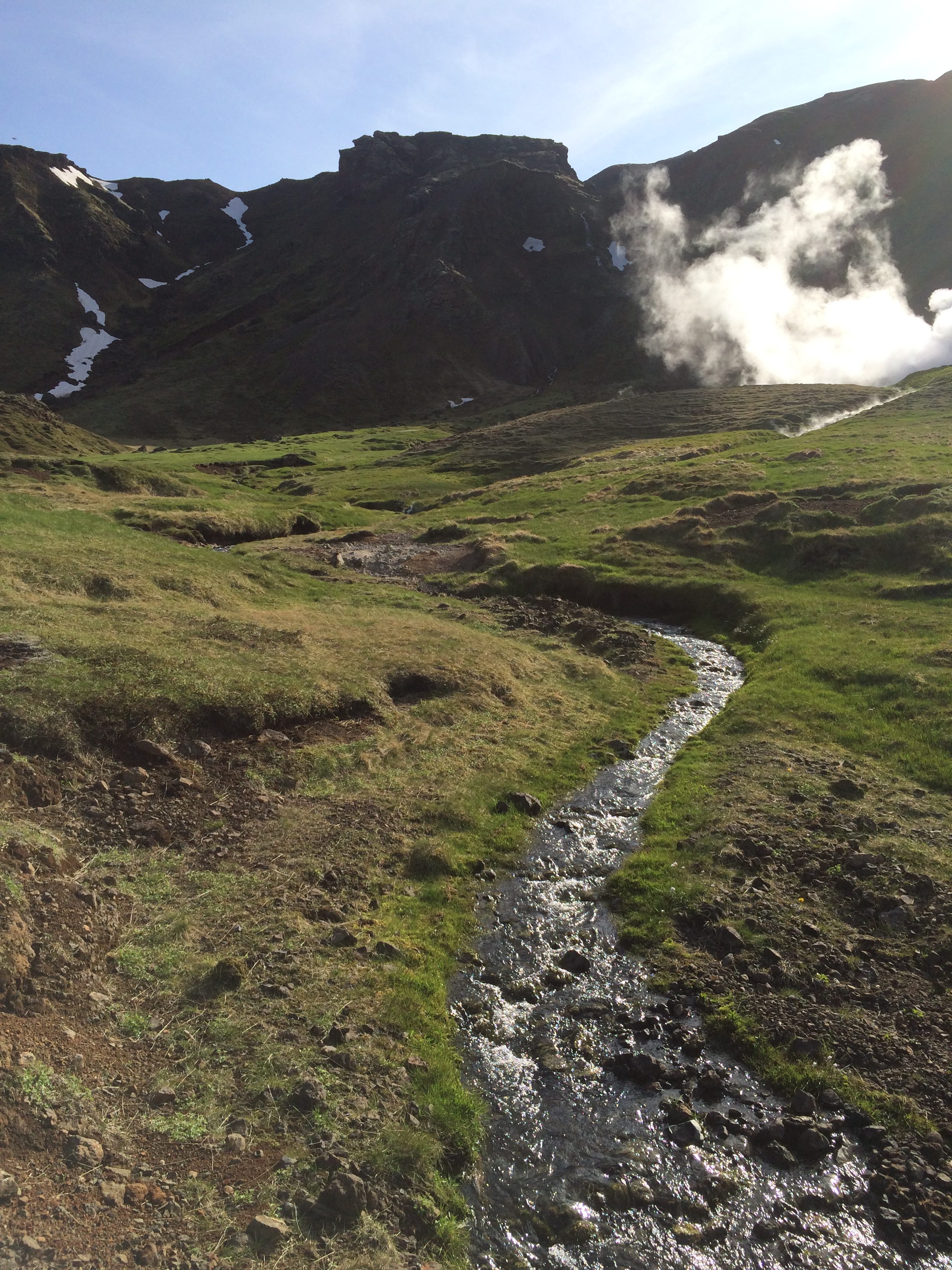
A stream originating from hot springs in Suðurland (South Iceland)

First and foremost, leadership does not depend on being the first, the biggest, or the richest.  For most of its history, Iceland has been a rather scraggly country on the westernmost fringe of Europe.  Even in this day and age, for most people, it’s an afterthought: a place of interest that only rarely comes to the forefront barring a geologic or financial catastrophe.

Iceland has not sent a man to the moon, nor has a military of significant size, nor even a soft power that it can project upon others.  But it nevertheless exerts leadership, because Iceland has made the best out of its limited resources.

Through democracy (Iceland’s althing being the world’s oldest existent Parliament), work ethic, and generous financial assistance through the Marshall program, Iceland has been able to capitalize on the intelligence and diligence of its people, and ensures that even though it may not necessarily be at the front of the pack, people look at Iceland with a degree of regard and respect and, to a great extent, wish to emulate.

It seems like a generic observation, but our lives are defined by competition to be the most, the first, or the biggest.  And that’s important but that’s not necessarily what leadership is about.  Leadership, as far as I see it, is about being at one’s own personal best so that one can affect a change in the world.  And that self-confidence to translate personal potential into action, in turn, can prompt us to be leaders at the forefront as the biggest, the best, the first, etc.

I’m back

IMG_2873 (1)

I can’t help but apologize for the lengthy delay in getting back to the blog. Fellowship and all the other things that make life so hectic certainly do squeeze out time for blogging. Besides that, a lot of things have occurred in the past two months. One of the more eventful things has been my very recent vacation to Iceland.

It was absolutely breathtaking, and I hope to share some photos and experiences with you soon. While I was there, I had a chance to just ruminate (or,rheuminate, if you will) about leadership, a topic that I’ve been thinking a lot about over the past few weeks. Perhaps it was just because I was away from my desk, but over that week, I saw many different examples of leadership principles that I have been casually reading about.

In fact, I noticed seven overarching themes about leadership during my time there, which will be forthcoming in seven short individual posts, with a few pictures interspersed.